- Serving Our NJ Neighbors 24/7 (888) 333-2422

 | Yes We Are Open!
Why You Should Flush Your Water Heater Every Year | Annual Water Heater Maintenance Tips
Protect Your Water Heater from Sediment Buildup
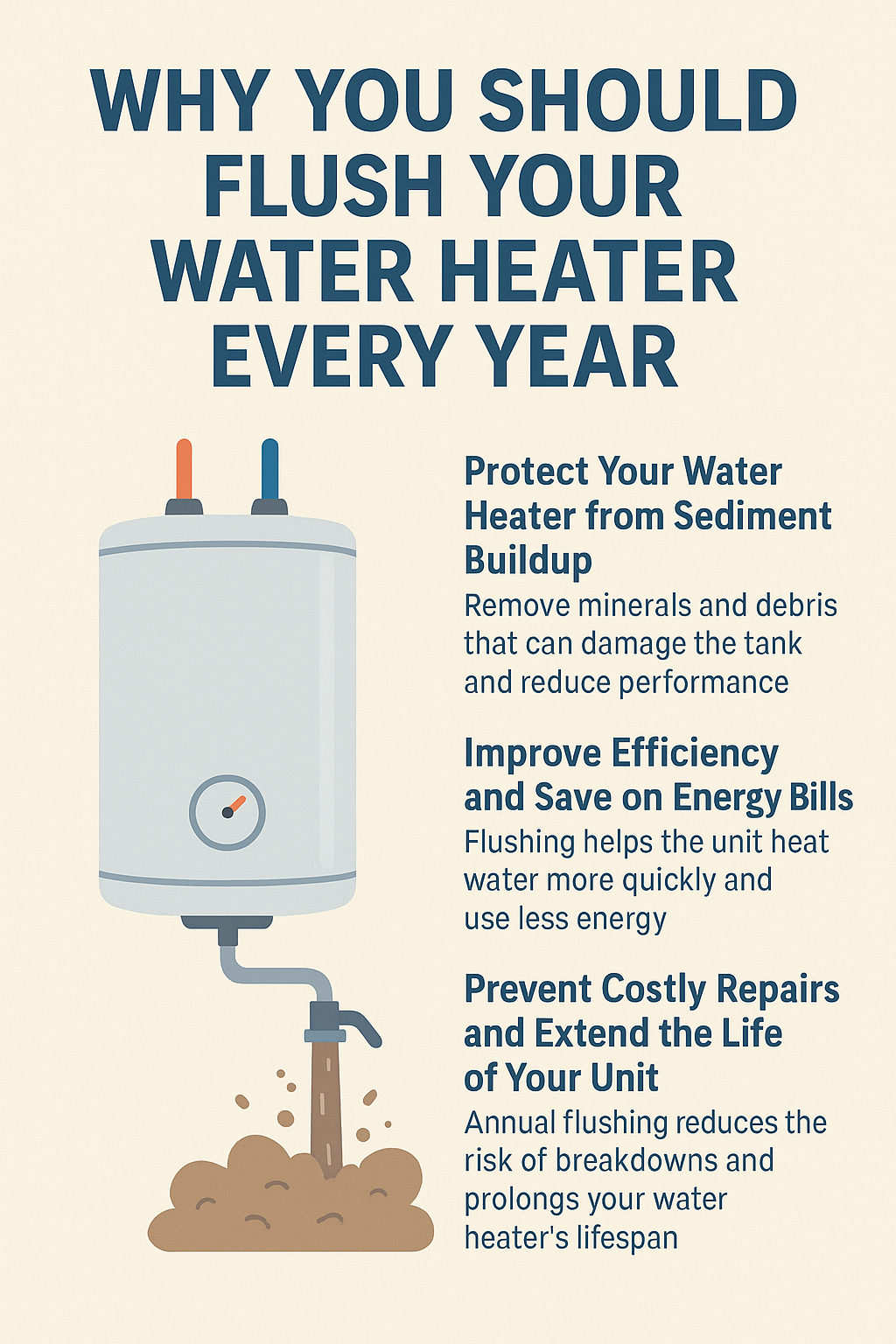
Over time, minerals and debris from your water supply naturally settle at the bottom of your water heater tank. This process, known as sediment buildup, can significantly reduce the efficiency and lifespan of your water heater if not properly addressed. When sediment accumulates, it acts as a barrier between the burner and the water, forcing the system to work harder to heat the same amount of water. This leads to longer heating times, increased energy usage, and eventually—premature system failure.
Annual flushing helps remove this layer of sediment and keeps your unit operating at peak performance. For homes with hard water, the issue is even more urgent, as calcium and magnesium deposits tend to collect faster. Left unchecked, this buildup can cause overheating at the bottom of the tank, leading to rumbling or popping noises, pressure issues, or even tank corrosion. By flushing your water heater once a year, you minimize the risk of breakdowns, lower your utility costs, and extend the lifespan of your unit.
Improve Efficiency and Save on Energy Bills
Your water heater is one of the largest energy consumers in your home, accounting for up to 18% of your total energy bill, according to the U.S. Department of Energy. A water heater burdened by sediment must use more energy to do the same job, leading to wasteful consumption and rising utility costs. Routine flushing removes the insulating layer of debris, allowing your unit to heat water more quickly and with less effort.
This simple task not only helps maintain consistent hot water supply, but it also keeps your energy usage in check—making it a win-win for your comfort and your wallet. In fact, flushing can improve heating speed and reduce standby heat loss, especially in older models. If you’re noticing lukewarm showers, slow heating, or inconsistent temperatures, a flush might be all you need to restore performance without the expense of a new unit. In the long run, annual water heater maintenance pays for itself through improved energy efficiency and fewer costly repairs.
Prevent Costly Repairs and Extend the Life of Your Unit
Water heater replacements can cost anywhere between $1,000 to $3,000, depending on the type and capacity. Why risk that expense when a simple, low-cost maintenance routine can keep your system running smoothly for years to come? Annual flushing not only protects your tank from internal damage, but it also allows technicians to catch early signs of wear, corrosion, or leaks that could develop into major issues if ignored.
Regular flushing is especially critical for tank-based water heaters, where undisturbed sediment can cause internal pressure fluctuations, blocked drain valves, or overheating. It’s also important for maintaining manufacturer warranty requirements, many of which recommend or require annual service. By taking the time to flush your system every year—either as a DIY task or by hiring a professional—you help ensure its longevity, reliability, and safety. You also reduce the risk of water damage from undetected leaks or pressure buildup, making your home safer and your system more dependable.