- Serving Our NJ Neighbors 24/7 (888) 333-2422

 | Yes We Are Open!
What to Expect During a Professional Sewer Line Inspection
Signs You May Need a Sewer Line Inspection
Your home’s sewer line is the backbone of its plumbing system, and unnoticed issues can quickly become expensive problems. That’s why sewer line inspections are not just for emergency plumbing repairs—they’re a smart preventative measure. Common signs that you may need a professional sewer line inspection include slow drains, frequent backups, sewage odors, gurgling sounds from your toilet, and lush patches of grass over the sewer line in your yard. These symptoms suggest underlying issues like clogs, cracks, or root intrusions.
In many homes—especially older ones—sewer pipes are often made from outdated materials like clay or cast iron, which are prone to deterioration over time. Even newer homes aren’t immune, as shifting soil and improper installations can cause early damage. If you’re buying or selling a home, having a sewer line inspection is also critical for transparency and peace of mind. This simple service can help you avoid thousands of dollars in unexpected repair or replacement costs down the road.
Most plumbing companies recommend a sewer line inspection every 1 to 2 years or immediately if you notice any red flags. By being proactive, you’re taking an important step toward safeguarding your property and maintaining a healthy plumbing system.
The Step-by-Step Sewer Camera Inspection Process
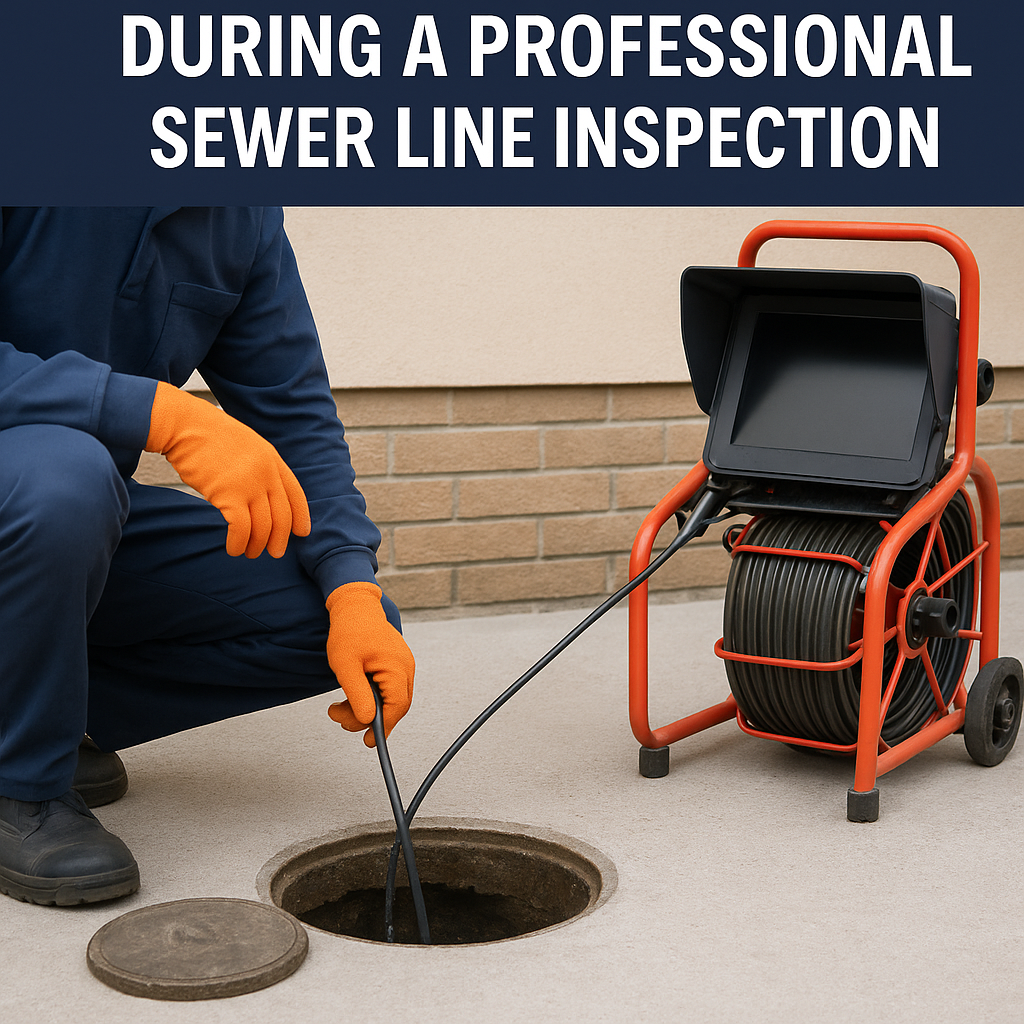
A professional sewer line inspection typically involves a non-invasive process using specialized equipment known as a sewer camera inspection or video pipe inspection. The plumber inserts a high-resolution waterproof camera attached to a flexible rod into your cleanout or access point. As the camera travels through the pipes, the plumber views the real-time footage on a monitor to identify blockages, cracks, corrosion, root intrusions, or other issues inside the line.
This modern technology allows technicians to see the exact condition of your sewer line without digging up your yard or tearing down walls. They can also pinpoint the precise location of the problem using a radio transmitter attached to the camera, which helps avoid unnecessary excavation and ensures faster, more accurate repairs. During the inspection, you’ll often be shown the footage and walked through what the plumber sees, along with an explanation of any visible damage.
Depending on the findings, the technician may suggest additional services such as hydro jetting (for severe clogs), trenchless repairs, or even full line replacement in extreme cases. You’ll receive a detailed inspection report, and in many cases, the video recording itself. This report becomes especially valuable if you’re involved in a real estate transaction or need to file a claim with your homeowner’s insurance.
Post-Inspection: Next Steps and Common Solutions
Once the inspection is complete, your plumber will go over the results and recommend any necessary next steps. If your sewer line is in good condition, you’ll receive confirmation and peace of mind knowing your plumbing is functioning properly. However, if issues are discovered, your plumber will outline your repair options. Some of the most common problems found during inspections include tree root invasion, pipe corrosion, broken joints, misaligned or collapsed pipes, and grease buildup.
Thanks to the precision of the camera inspection, your plumber can recommend targeted solutions rather than full system replacements. For example, if a blockage is caused by grease or mineral buildup, hydro jetting may be enough to restore flow. If damage is localized, trenchless pipe lining or pipe bursting may be used to repair the section without disturbing your yard. In more severe cases where a full replacement is needed, you’ll at least know exactly where the problem lies—and avoid unnecessary digging and guesswork.
Overall, a professional sewer line inspection is an affordable service that can save homeowners time, money, and stress. Whether you’re buying a new home, planning a renovation, or responding to plumbing symptoms, a sewer inspection provides valuable insights into the health of your plumbing system. With the right information in hand, you can make smarter maintenance decisions, avoid sudden disasters, and extend the lifespan of your sewer system.